In today's fast-changing tech world, finding dependable voltage regulators is more important than ever. These little devices are key when it comes to keeping voltage levels steady across a bunch of different applications. As global markets grow and evolve, it’s definitely worth knowing who the top manufacturers are—trust me, it makes a difference for anyone shopping around.
Looking ahead to 2026, choosing the right voltage regulator will be even more crucial. We can probably expect better performance and higher efficiency in the latest models. Companies like Texas Instruments and Infineon Technologies are really leading the way with their innovations. Their products are designed to keep power stable whether you're dealing with everyday gadgets or large industrial setups.
When it comes to high-voltage regulators—like the ones you’d find in data centers or renewable energy projects—they’re pretty much essential. Every manufacturer’s offerings come with their own perks, but it’s really important for buyers to dig into the specs and check if they fit what they need. Looking back, we can see that not every regulator works well for every purpose, so understanding these little details can seriously help you make smarter choices.

Overview of Voltage Regulators and Their Importance in Electronics
Voltage Regulator plays a crucial role in electronic devices. They ensure that the voltage supplied to components remains stable. This stability is key for the proper functioning of circuits. Without a reliable voltage regulator, devices can experience voltage fluctuations. Such fluctuations can damage sensitive components or lead to operational failures.
The importance of voltage regulators extends beyond basic operation. They help improve energy efficiency in systems. A well-designed voltage regulator can reduce energy waste, which is vital in today’s technology-driven world. Many engineers face challenges in selecting the right voltage regulator. They must balance performance with size and cost. This process can be intricate, as different applications require different specifications.
Consider the design of power supply systems. Voltage regulators are often integral to achieving optimal performance. Yet, designers have to reflect on their choices carefully. Overlooking the regulator choice can lead to inefficient designs. As technology evolves, new voltage regulator solutions are emerging to meet growing demands. Staying informed about these developments is essential for innovators in electronics.
Market Analysis of Voltage Regulators: Global Trends and Projections for 2026
The global voltage regulator market is poised for significant growth in 2026. Industry reports predict a compound annual growth rate (CAGR) of 6.5% from 2022 to 2026. This momentum is driven by rising demand for reliable power solutions across various sectors. Emerging markets are expected to play a critical role in this expansion. Regions like Asia-Pacific will witness increased adoption due to rapid industrialization.
Technological advancements continue to shape the landscape. Digital voltage regulators are gaining traction for their efficiency and accuracy. They offer features such as real-time monitoring and adaptive response to load changes. A study revealed that digital types have improved performance by up to 30% compared to traditional analog regulators. Yet, the challenges remain. Supply chain disruptions have affected the availability of key components, posing risks to manufacturers.
Environmental concerns are shaping market trends as well. There’s a growing emphasis on sustainable practices. More companies are investing in energy-efficient designs. However, implementing these technologies can be costly upfront. The initial investment often discourages smaller players from entering the market. As demand for green technologies rises, this gap may widen. Balancing cost and innovation remains a significant hurdle for the industry's future.
Top 10 Voltage Regulators: Performance Metrics and Technical Specifications
In 2026, selecting the rigHt Voltage Regulator is crucial for numerous applications. Key performance metrics include efficiency, load regulation, and transient response. These specifications determine how well a regulator can maintain output voltage under varying loads.
A top-performing voltage regulator should demonstrate minimal ripple voltage. High efficiency minimizes heat generation, allowing for prolonged operation. Consider thermal performance when evaluating designs. An Ht Voltage Regulator might offer excellent heat dissipation features, enhancing reliability.
Analyzing data sheets is essential. Look for parameters like maximum input voltage and output current. It's not enough to focus solely on high efficiency; real-world testing reveals limitations. Users often overlook the importance of component quality. This can affect longevity and performance under stress. Always compare metrics across options to avoid subpar choices.
Top 10 Voltage Regulators for Global Buyers in 2026
| Model |
Input Voltage Range (V) |
Output Voltage (V) |
Max Output Current (A) |
Efficiency (%) |
Package Type |
| VR-1001 |
4.5 - 30 |
3.3 |
3.0 |
92 |
SOT-23 |
| VR-1002 |
7 - 24 |
5.0 |
2.5 |
90 |
TO-220 |
| VR-1003 |
3 - 15 |
1.8 |
1.0 |
89 |
DFN |
| VR-1004 |
5 - 20 |
12.0 |
1.5 |
91 |
SMT |
| VR-1005 |
4 - 16 |
3.3 |
2.0 |
93 |
QFN |
| VR-1006 |
6 - 25 |
5.0 |
3.5 |
88 |
TO-263 |
| VR-1007 |
5 - 30 |
12.0 |
2.0 |
90 |
SMD |
| VR-1008 |
4 - 12 |
3.3 |
1.0 |
87 |
TSSOP |
| VR-1009 |
6 - 20 |
5.0 |
2.5 |
92 |
BGA |
| VR-1010 |
5 - 22 |
1.2 |
3.0 |
94 |
SIP |
Factors Influencing Voltage Regulator Selection: Efficiency, Size, and Cost
When selecting voltage regulators, three main factors come into play: efficiency, size, and cost. Efficiency is crucial for minimizing power loss and heat generation. High-efficiency regulators help in prolonging the lifespan of your devices. Look for options that can deliver their rated output voltage with minimal energy waste. A well-designed regulator will convert input voltage into output voltage with maximum effectiveness.
Size is another significant consideration. Many applications require compact components. Large regulators may not fit in limited spaces, especially in portable devices. Assess your device’s design and determine how much space you can allocate for the regulator. A smaller regulator may perform adequately but ensure it meets your device's power requirements.
Cost often dictates the final choice. While a higher price tag can indicate better quality or efficiency, it's not always the case. Evaluate multiple options within your budget. Weigh their performance against their price. This will provide a clearer picture of value.
**Tip:** Always read user reviews before making a purchase. Real-world experiences can highlight potential issues or benefits.
**Tip:** Consider future needs. Opting for slightly higher capacity can save costs down the line.
Balancing these factors can lead to the right decision, meeting your application needs without overspending.
Regional Insights: Leading Markets for Voltage Regulators in 2026
In 2026, the market for voltage regulators is expected to see significant growth, particularly in key regions. North America leads with a projected market share of over 30%. The demand for advanced power management systems in the automotive and renewable energy sectors drives this growth. A report from Market Research Future indicates a compound annual growth rate (CAGR) of 7% for voltage regulators in this region.
Asia-Pacific is also emerging as a pivotal market. By 2026, it is anticipated to account for nearly 25% of the global share. The rapid industrialization in countries like India and China contributes to this increase. Moreover, the rise in consumer electronics and electric vehicles in these nations is notable. According to Allied Market Research, growth in this area may reach up to 8% annually.
Europe is not to be overlooked. It holds about 20% of the global market share. The increasing focus on energy efficiency and regulatory compliance drives the demand. However, challenges such as supply chain disruptions can hinder growth. Adapting to market needs while improving product reliability remains essential for stakeholders in this region.
Top 10 Voltage Regulators for Global Buyers in 2026
Emerging Technologies in Voltage Regulation: Innovations and Future Directions
Emerging technologies in voltage regulation are reshaping the landscape for future innovations. With increasing energy demands, efficient voltage regulation has become crucial. New methods, like digital controls and AI algorithms, enhance efficiency. Implementing these technologies can lead to smarter, more responsive
Mv Voltage Regulators.
The latest developments focus on improving accuracy and reducing energy loss. For instance, adaptive voltage regulation dynamically adjusts to load changes. This real-time response optimizes performance, making systems more resilient. Yet, some manufacturers struggle with integrating these technologies. There are challenges in keeping up with rapid advancements.
Future directions in voltage regulation will likely emphasize sustainability. Innovations such as renewable energy integration can help meet global energy goals. However, reliance on electronic components raises concerns. These components may not always operate optimally in harsh environments. Continued research and testing are essential to address these issues.
Consumer Preferences and Buying Behavior in the Voltage Regulator Market
Consumer preferences in the voltage regulator market are evolving as technology advances. A report by Global Market Insights predicts a significant increase in the demand for
Hv Voltage Regulator solutions by 2026. Buyers are becoming more concerned about energy efficiency and environmental factors. They prefer products that not only meet their technical needs but also comply with sustainability goals.
Data from Statista indicates that 70% of consumers prioritize energy-saving features when choosing voltage regulators. Reliability and long-term performance also top the list of factors influencing buyer behavior. Customers are willing to invest more in quality products, especially those equipped with advanced safety mechanisms. However, many still struggle to navigate technical specifications and compatibility with existing systems.
The trend shows a noticeable shift towards online purchasing. E-commerce platforms are becoming vital for buyers seeking detailed product information and reviews. Researchers from Technavio noted a growing number of consumers reading user feedback before making a decision. Yet, despite the abundance of information, some buyers report feeling overwhelmed or misinformed about choices in the market. Addressing these challenges could improve consumer confidence and lead to better purchasing decisions.
Innovative Solutions for Voltage Regulation: Exploring the Single Phase Step Voltage Regulator VR-8 for 2.5-34.5kV Applications
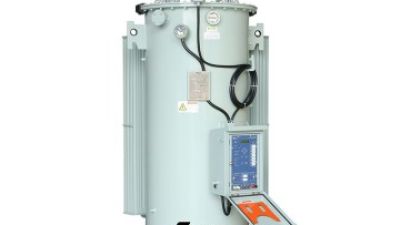
The VR-8 single-phase step voltage regulator is designed to provide innovative solutions in voltage regulation, essential for various applications ranging from industrial setups to utilities. With its robust engineering, the VR-8 efficiently caters to rated voltage requirements spanning from 2.5kV to 34.5kV, ensuring optimal performance both indoors and outdoors. This versatility makes it an ideal choice for environments where reliable and precise voltage management is crucial for operational efficiency.
Manufactured in adherence to stringent standards such as IEEE C57.15 and IEC 60076-21, the VR-8 stands out for its quality assurance and operational reliability. Each unit is meticulously crafted to meet industry benchmarks, reflecting a commitment to excellence. Furthermore, the VR-8 comes with a two-year warranty, offering users peace of mind with their investment. This combination of superior engineering, regulatory compliance, and warranty support positions the VR-8 as a leading solution in modern voltage regulation technology, ideal for those seeking dependable performance in variable voltage environments.
FAQS
: Voltage regulators ensure stable voltage supply to components, crucial for circuit functionality.
Stability prevents voltage fluctuations that can damage sensitive components or cause failures.
A well-designed voltage regulator reduces energy waste, important in modern technology.
Engineers must balance performance, size, and cost, which can be complex depending on application needs.
Overlooking regulator choices can lead to inefficient designs and poor performance.
North America and Asia-Pacific are key markets, driven by demand in various sectors.
The automotive sector's need for advanced power management boosts the demand for voltage regulators.
While Europe emphasizes energy efficiency, supply chain disruptions pose challenges to growth.
Yes, new voltage regulator solutions are being developed to meet evolving technology demands.
Designers should be mindful of their choices, as poor decisions can affect overall system efficiency.
Conclusion
Voltage regulators are crucial components in electronic devices, ensuring consistent voltage levels, enhancing performance, and prolonging the lifespan of various equipment. This article examines the global voltage regulator market, analyzing its trends, projections for 2026, and the top ten models based on performance metrics and technical specifications. Key factors influencing selection include efficiency, size, and cost, catering to diverse consumer needs and preferences.
Regional insights reveal leading markets for voltage regulators, while a focus on emerging technologies highlights innovative advancements that are likely to shape the future of voltage regulation. Understanding consumer buying behavior further aids manufacturers in aligning their products to meet market demands. Overall, this comprehensive overview underscores the significant role of voltage regulators in the electronics industry and anticipates growth opportunities in the coming years.